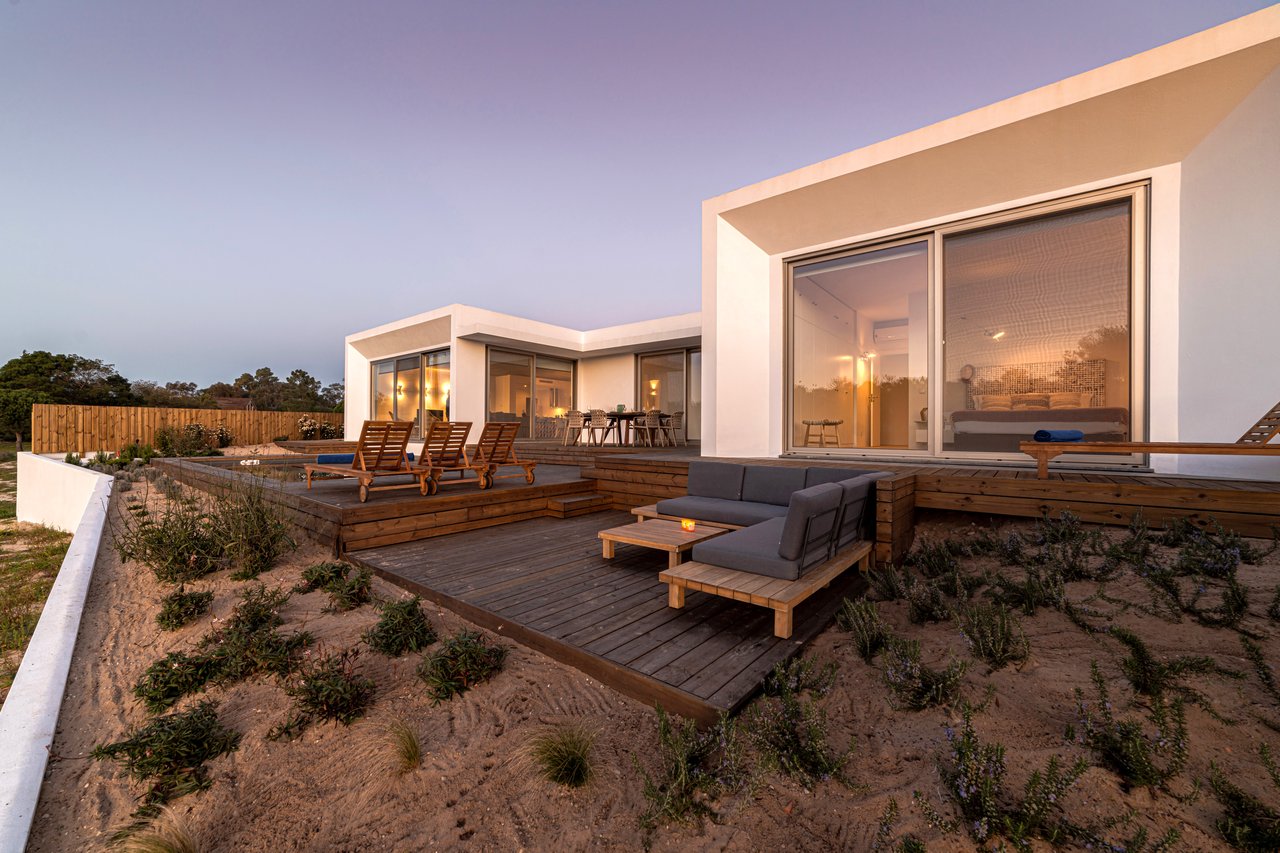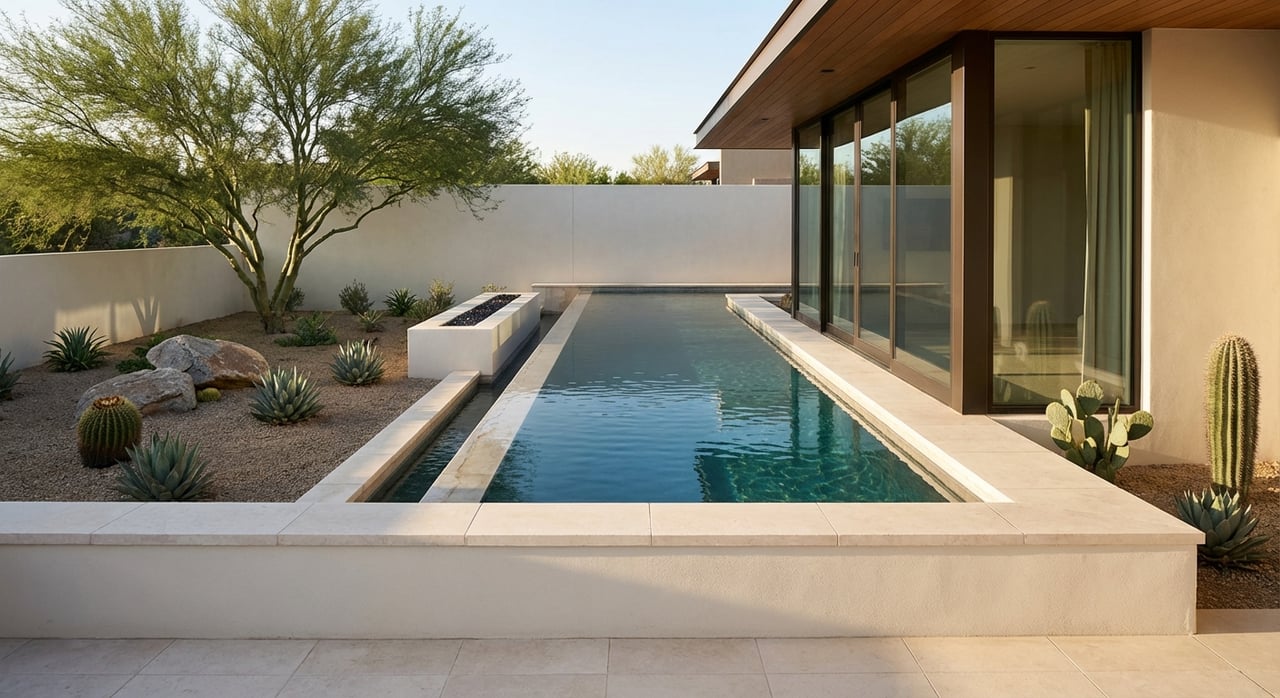
What you see from your windows in Paradise Valley is not an accident. A few dozen feet of elevation can shift your sightlines from a neighbor’s roof to a sweeping Camelback silhouette and city lights. If you are buying or selling a view home, you want to know how height, orientation, and protected corridors translate into real value. In this guide, you’ll learn what drives premiums, which rules protect view corridors, how elevation affects day‑to‑day living and costs, and the due diligence that helps you price with confidence. Let’s dive in.
Why elevation matters in Paradise Valley
Paradise Valley sits in the roughly 1,800 to 1,900 ft elevation band, with dramatic topography rising quickly around you. Two anchors define much of the landscape value story. Camelback Mountain reaches about 2,706 ft and is the most iconic profile on the southern edge of town. Mummy Mountain sits at the heart of Paradise Valley, with published elevation references around 2,020 to 2,260 ft depending on measurement.
That vertical separation is not just a statistic. Elevation on adjoining parcels changes privacy, view angles, solar exposure, drainage, driveway grades, and structural complexity. Even small height differences can turn a partial view into a panoramic one, which is why buyers and appraisers focus so closely on pad height and surrounding slopes.
View types that command premiums
Protected panoramic ridgelines
The strongest premiums usually attach to wide, protected views that combine mountains, valley floor, and city lights. Public reporting on top sales in Paradise Valley shows that estates with dramatic ridgeline panoramas often set price records, underscoring how permanence and scale of the view move the needle.
Open space and preserve outlooks
Views that take in conservation land carry a different kind of confidence. The Town sponsors the Paradise Valley Mountain Preserve Trust to conserve mountain land, which limits future building on key slopes. When your primary outlook faces trust‑protected terrain, buyers see durability in the view corridor.
Iconic mountain silhouettes
Camelback‑facing lots are marketed on the instantly recognizable profile and sunsets. That silhouette does not change, which gives buyers more certainty than views that rely on gaps between rooftops or trees.
City‑light and valley panoramas
West or southwest‑facing elevated pads capture dusk color and sparkling city lights. These vantages feel dramatic in the evening and photograph beautifully, which is why you see them featured in luxury marketing. They also come with specific design and energy considerations you will want to plan for.
How orientation shapes daily living
Orientation is more than a preference. It drives comfort, energy use, and how you design glass, shading, and outdoor living.
- West and southwest exposures deliver sunsets and city lights. They also bring stronger late‑day solar gain, so many owners invest in deeper overhangs, high‑performance glazing, and strategic shading.
- North exposures tend to feel cooler and offer softer, even light that many art lovers prefer inside. Outdoor spaces can be more comfortable during peak summer heat.
- East exposures bring gentle morning sun and reduced afternoon heat, which can suit bedrooms and breakfast terraces.
These microclimate tradeoffs matter in the desert. The right orientation helps you enjoy the view while keeping interior comfort and operating costs in check.
What the market says right now
Paradise Valley sits at the top of Arizona’s price ladder. Aggregated market snapshots show a recent median sale price around 4.785 million dollars for the town, illustrating the premium buyers pay for location, privacy, and views. At the ultra‑luxury end, record sales tied to panoramic and protected ridgeline outlooks show how the finest views can support eight‑figure pricing.
Academic research also supports the idea that view quality matters, but warns against a one‑size‑fits‑all number. Studies of view premiums find wide ranges by view type and market. In a high‑end, supply‑constrained area like Paradise Valley, the premium for a protected panorama often shows up in absolute dollars rather than a simple percentage.
Regulations that protect and shape value
Hillside rules you should know
Paradise Valley’s Article XXII Hillside Development Regulations guide how homes are designed on steeper terrain. The rules apply to hillside areas and slopes of 10 percent or greater. They require designs that adapt to the natural topography, minimize grading, preserve ridgelines, and go through Hillside Building Committee review before permits. For buyers, this framework helps maintain the visual character of the mountains. For owners planning changes, it adds steps and conditions to the approval path.
Preserve trust and scarcity
The Paradise Valley Mountain Preserve Trust conserves mountain land to protect scenic resources. Conservation reduces the future supply of buildable ridge lots, which supports long‑term scarcity and helps explain why certain outlooks carry lasting premiums. If your view corridor faces trust‑protected parcels or public ownership, that permanence can be part of your value story.
Engineering, costs, and risk on hillside builds
Elevation brings beauty and complexity. Before you assign a major premium to a view, factor in the site work and risk that come with it.
- Geotechnical reports are a near‑universal prerequisite for hillside permits. A soils and geotechnical study informs your foundation type, retaining strategy, drainage, and slope stability measures.
- Retaining walls, terraces, longer driveways, and engineered drainage often add to development cost. Builders typically carry larger contingencies on hillside projects to account for unknown rock conditions, access limits, and staging challenges.
- Hazard and insurance considerations matter. Federal wildfire hazard potential mapping highlights areas of relatively higher wildfire hazard across the landscape. In recent years, insurers in Arizona have tightened underwriting for some higher‑risk properties. Confirm insurability, likely premiums, and any mitigation credits early in your process.
Micro‑locations where elevation plays out
- Mummy Mountain. Central and highly prized for long‑range valley outlooks and protected ridgelines. The combination of preservation and hillside rules makes many of these sightlines comparatively durable.
- Camelback corridor foothills. Near the Echo and Cholla approaches and luxury resorts, many parcels showcase the Camelback silhouette and sunset color that buyers seek.
- Clearwater Hills and other high points. Some enclaves sit along or just outside town boundaries, but share the same topographic drama. When ridge height, privacy, and protected sightlines align, prices follow.
Because Paradise Valley is a small municipality with protected open space, median price metrics can shift depending on whether you look at town, ZIP code, or micro‑neighborhood data. Always clarify which geography a statistic refers to and rely on view‑matched comparables for valuation.
Due diligence buyers should complete
- Visit at key times. Walk the main living areas at sunrise, sunset, and at night. Photograph sightlines from living rooms, kitchens, primary suites, and terraces.
- Map the view corridor. Commission or review a current topographic survey with principal sightlines noted from primary rooms and outdoor spaces. Confirm that marketing language reflects what the survey shows.
- Verify protections. Review the title report and recorded documents for any view easements, conservation easements, or restrictions. While rare, recorded view easements are the strongest form of protection. Also check whether the parcel sits inside the Town’s Hillside Development Area and obtain any prior approvals.
- Assess the ground. Obtain or review a soils and geotechnical report and a conceptual drainage plan. Identify likely retaining walls and foundation types to understand major cost drivers.
- Check hazards and insurance. Review wildfire and flood layers and confirm carrier availability and premium impacts early. Ask about mitigation credits for defensible space and fire‑resistant materials.
Documentation sellers should assemble
- A current topographic survey and site plan that show the primary view corridor from main living spaces.
- Copies of any recorded easements, trust‑protected or public parcels in the view path, and any hillside approvals or permits.
- View‑matched comparables that demonstrate pricing support for the type and permanence of your outlook.
- If planning enhancements such as larger glass areas or new terraces, be ready to show a code‑compliant path through the Town’s hillside review and how your shading and solar strategies respect the terrain.
Putting a number on your view
There is no single percentage to apply across Paradise Valley. The right approach is local and specific. Compare recent sales of nearly identical homes that differ primarily in view quality, then adjust for view type, permanence, and orientation. At the high end, where lot scarcity drives decisions, the premium often reads as an absolute dollar figure instead of a flat percent.
For appraisals, insist on very close, view‑matched comparables and include documentation that proves sightline durability. When in doubt, price conservatively if protection is uncertain, and lean into value when permanence is clear.
Work with a guide who treats your view as an asset
Your view is part of your home’s story. Pairing design, due diligence, and market timing can unlock its full value or help you buy with confidence. If you are weighing options in Paradise Valley, schedule a private conversation with someone who understands both the regulations and the nuances of sightlines.
Ready to talk through your goals one‑on‑one? Connect with Alicia Soulier to schedule a private consultation.
FAQs
How do Camelback and Mummy Mountain elevations affect pricing in Paradise Valley?
- The vertical separation between neighborhoods and nearby peaks shapes sightlines and scarcity; iconic, protected views of Camelback and Mummy Mountain often command the strongest premiums when supported by local comparables.
What town rules protect hillside views in Paradise Valley?
- Paradise Valley’s Article XXII Hillside Development Regulations apply to slopes of 10 percent or more, preserve ridgelines, and require Hillside Building Committee review before permits, which helps maintain scenic character.
Are my Paradise Valley views guaranteed to remain unobstructed?
- Only recorded easements, restrictive covenants, or adjacent public/trust ownership can assure long‑term protection; absent that, future build‑outs within allowed heights may affect a view.
Do west‑facing city‑light views increase cooling costs?
- West and southwest exposures often raise late‑day solar gain; high‑performance glazing, deeper overhangs, exterior shading, and landscape strategies can manage comfort without sacrificing the view.
Do hillside view homes cost more to insure in Arizona?
- A view itself does not change coverage, but foothill and ridge locations can raise wildfire, slope, or drainage exposure, which may affect premiums and carrier options; verify early with your insurer.
Sources for key facts: Camelback Mountain elevation, Mummy Mountain elevation, Paradise Valley median price snapshot, Hedonic pricing research on view premiums, Town of Paradise Valley Article XXII Hillside Development Regulations, Paradise Valley Mountain Preserve Trust, Record‑setting sales with panoramic views, USDA Forest Service wildfire hazard potential map, What a geotechnical report covers]