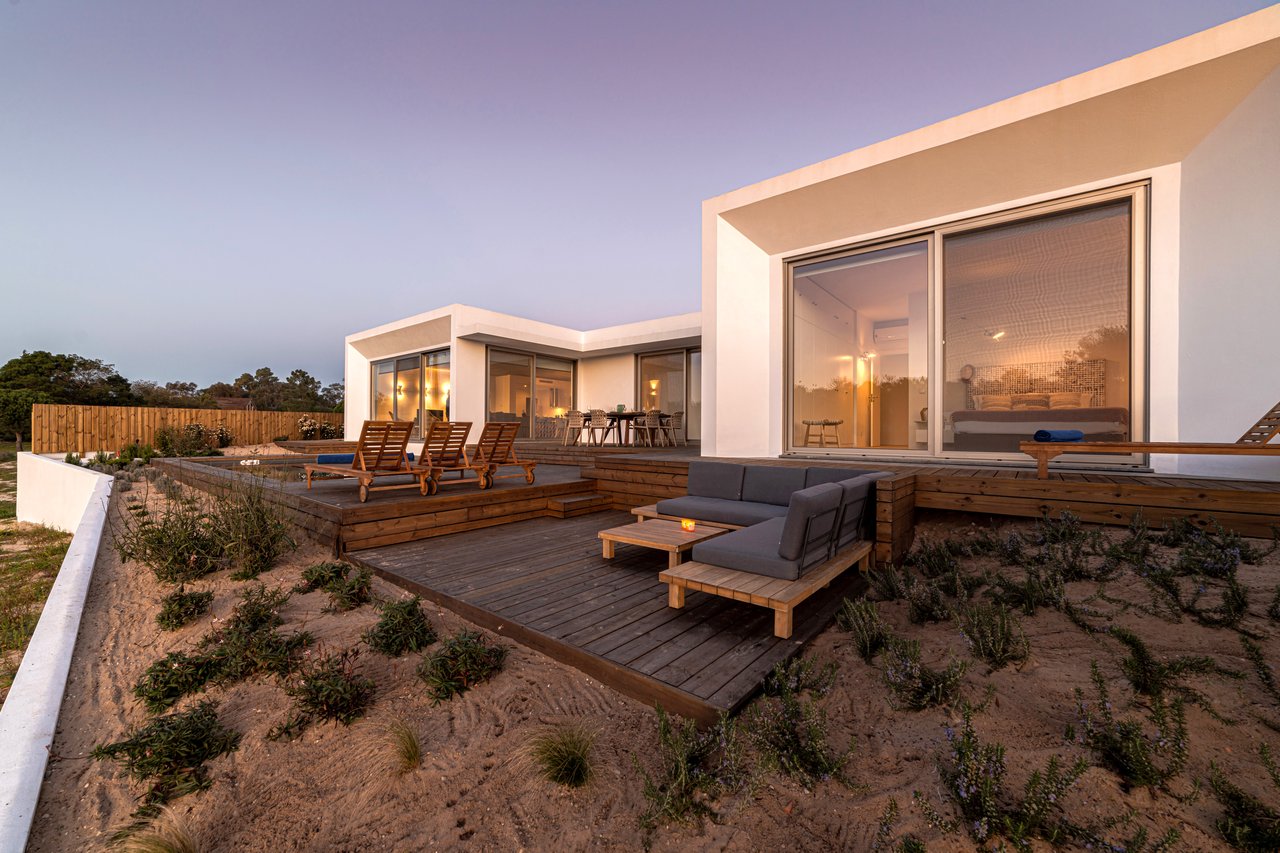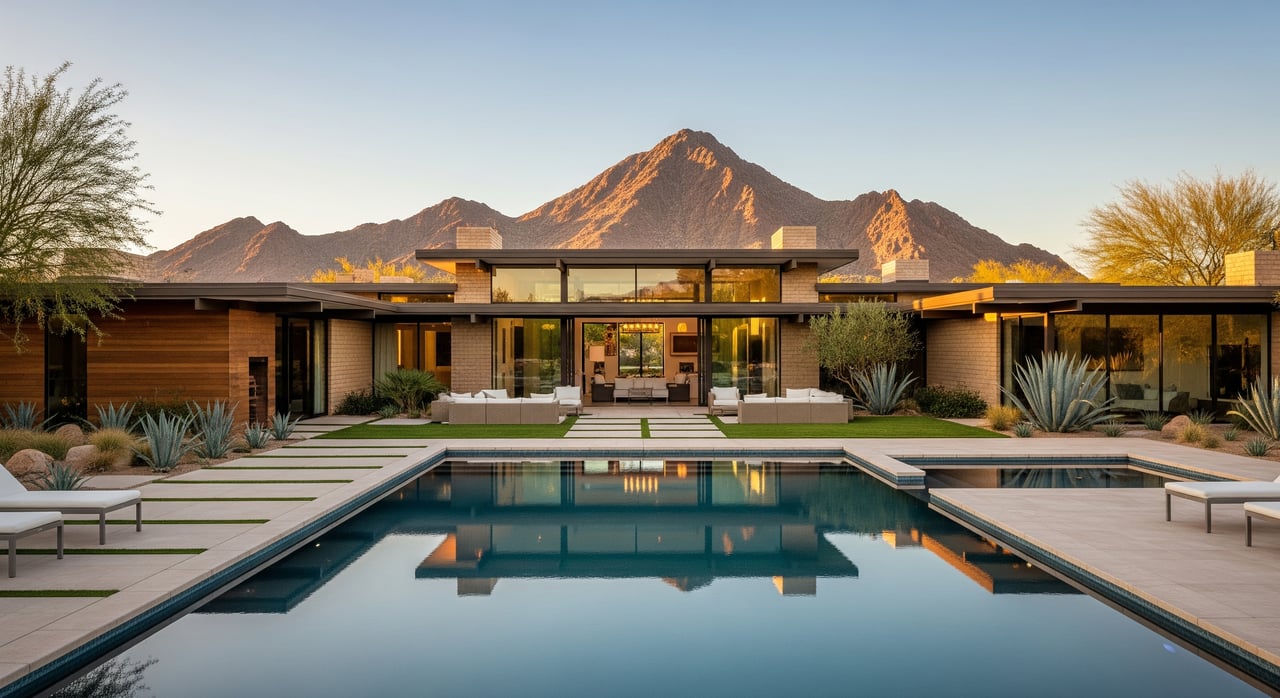
Two homes on the same street in Paradise Valley Village can trade millions apart. If you are buying or selling at the high end, that spread can feel confusing. You want clarity on what truly moves price so you can market with confidence or pay the right number. This guide breaks down the micro‑market features that drive value in Paradise Valley Village and shows you how to measure them. Let’s dive in.
Start with the map: Village vs. Town
Paradise Valley Village is part of the City of Phoenix in Maricopa County. It is not the same as the adjacent Town of Paradise Valley, which is its own municipality with different codes and tax structures. Many people mix them up, which can throw off price expectations. In this article, you are reading about the Phoenix village and the micro‑markets inside it.
Your mental map of value niches
High‑end sales in Paradise Valley Village are shaped by a handful of distinct niches. Each niche attracts a specific buyer and can shift pricing well beyond the neighborhood average. Use these lenses when you price, market, or make an offer.
Mountain and skyline views
What it is: Direct or framed views of Camelback Mountain, Piestewa Peak, the Phoenix Mountain Preserve, or the city skyline. The best examples align outdoor living spaces and primary rooms with the view.
Why it matters: Affluent buyers often rank an iconic view above extra interior square footage. A signature backdrop adds daily enjoyment and marketing impact.
How it affects value: View lots commonly command meaningful premiums over otherwise similar homes without those sightlines. The size of the premium varies with view quality, elevation, orientation, and how well the home’s outdoor spaces capture the view.
What to verify:
- Exact sightlines from living areas and the pool terrace
- Elevation differences and potential future view obstructions
- Nearby sales on the same block with and without similar views
- Whether the lot would also sell well as land because of the view
Estate lot size and usable acreage
What it is: Larger parcels inside the village, especially half‑acre to 1 acre and above, with flat, functional yards and buildable envelopes.
Why it matters: Space allows the estate program buyers want. Think guest casitas, pool courts, generous setbacks for privacy landscaping, and room to entertain.
How it affects value: Large, level, buildable lots are scarce inside the village. Scarcity supports higher land values, strong replacement cost logic, and interest from custom architects and builders.
What to verify:
- True lot size from county records and the shape or depth of the parcel
- Usability: grading, rock, or wash constraints; septic versus sewer access
- Recent land or acre‑plus sales to anchor land value per acre
- Recorded easements and setbacks that may limit the buildable area
Privacy corridors and gated enclaves
What it is: Homes on private drives or cul‑de‑sacs, long setbacks behind mature landscaping, or within gated subdivisions.
Why it matters: Privacy reduces traffic and visibility, and it signals exclusivity. Many high‑net‑worth buyers rank privacy alongside views and lot size.
How it affects value: Discretion can create a premium, though it varies by street and buyer profile. Gated communities may add shared services and HOA dues, which factor into affordability.
What to verify:
- Gate and HOA status, dues, and any shared maintenance or security
- Street type and distance to neighboring residences
- Comparables inside the same enclave versus nearby open streets
Architectural pedigree and era
What it is: Homes by notable architects or quality custom builders, intact mid‑century or modern heritage, or recent high‑end rebuilds with strong design integrity.
Why it matters: Provenance adds collectibility, story, and marketing power. Some buyers will pay for authenticity or for a well‑executed contemporary design that suits current tastes.
How it affects value: Pedigreed or architecturally significant homes can sell at a premium when design integrity and condition align with buyer demand. A top‑tier new custom build can meet or exceed that pricing.
What to verify:
- Architect or builder attribution in public records or past marketing
- Renovation scope, permit history, and age of major systems
- Nearby sales of similarly significant homes to gauge appetite
Axis of convenience to luxury amenities
What it is: Proximity by foot or short drive to high‑end retail and dining, private clubs, premier golf, and top medical centers around the Camelback Corridor, Biltmore, and Scottsdale.
Why it matters: Time and convenience are premium. Many buyers will trade some acreage for quick access to dining, galleries, and clubs.
How it affects value: Properties closer to these lifestyle nodes often live in higher price bands. The convenience premium varies by exact access and traffic patterns.
What to verify:
- Drive times during peak periods to your key destinations
- Frequency and price of luxury sales around each amenity hub
- Any construction or road projects that could affect access
How premiums show up in the numbers
When a property has a rare attribute, you will often see clear signals in the data.
Signals to track in comps
- Higher price per square foot relative to nearby non‑view or smaller‑lot homes
- Lower days on market when the attribute is scarce and presented well in photos
- Stronger sale‑to‑list ratios, sometimes at or above asking price
- Multiples on land value for acre‑plus lots or successful lot splits
Build a clean comp set
- Match the key attribute first, such as Camelback views or gated cul‑de‑sac
- Keep geography tight, within 0.5 to 1.5 miles and similar micro‑topography
- Use a 12 to 24 month window for luxury, expanding only if the sample is thin
- Separate land value and improvement value where lot size or views dominate
Quantifying a view premium, thoughtfully
Every block is different. Instead of applying a blanket percentage, pair recent sales with nearly identical specs, then isolate the view difference. Confirm orientation from listing media and site visits, and note how the pool and main rooms align with the backdrop. If the sample size is small, widen the time window, not the geography.
Teardown and rebuild: when dirt is the deal
In parts of Paradise Valley Village, the land drives the outcome. Developers and end‑users look at the cost stack to decide whether to tear down or remodel.
What to consider:
- Acquisition price plus demolition, entitlements, and build cost relative to likely finished value
- Volatile high‑end construction costs and timelines, confirmed with local builder quotes
- Constraints like easements, hillside grading, sewer access, and neighborhood character
Data to gather before you decide:
- Local custom builder ranges for similar finish level and size
- Recent teardown sales and price per delivered lot
- City demolition and permit steps and typical timelines
Zoning, utilities, and other quiet forces
Legal and infrastructure details can unlock or cap value, so bring them forward early.
- Zoning and development standards: setbacks, height limits, lot coverage, and any overlay districts
- Utilities and infrastructure: sewer availability versus septic, utility corridors, and drainage washes
- Permitting: structural, mechanical, plumbing, and grading can add time and cost, which shifts buyer preference toward move‑in ready homes in some cases
Market signals to watch monthly
- Inventory of acre‑plus lots and true view parcels inside the village
- New‑build and major remodel permits entering the pipeline
- Days on market and sale‑to‑list ratios for the luxury segment compared with the broader market
- Notable luxury sales that can anchor expectations for your micro‑market
Seller playbook: present the micro‑market story
You create leverage when you market the attribute, not just the address.
- Lead with the differentiator. Hero photography and the first three images should showcase the view, privacy approach, or architectural moments.
- Map the lot. Provide a clear site plan that highlights usable yard, setbacks, and guest parking.
- Document the pedigree. Share builder or architect attribution and a concise renovation log.
- Clarify convenience. Note realistic drive times to key dining, clubs, and medical hubs.
- Proactively answer constraints. Include HOA details, easements, utility status, and permit history.
Buyer checklist: verify before you bid
Protect your upside by validating the details that move price.
Stand where you will live. Confirm views from the pool, main living areas, and the primary suite at different times of day.
Pull the parcel. Review county maps for lot size, shape, easements, and any wash or flood impacts.
Walk the street. Note traffic patterns, setbacks to neighbors, and how privacy landscaping performs.
Confirm services. Check sewer versus septic, gate status and dues, and any shared road agreements.
Align replacement logic. If the plan is a rebuild, confirm the cost stack and likely finished value for your design goals.
The takeaway for Paradise Valley Village
Inside the Phoenix village, value clusters around views, acreage, privacy, design, and convenience to luxury nodes. Pricing is hyper‑local, and premiums depend on execution. When you frame your search or your listing through these lenses, you get beyond averages and toward the real market.
Ready to translate these micro‑markets into a strategy for your home? Schedule a private conversation with Alicia Soulier to review your property, refine your comp set, and design a plan that fits your goals.
FAQs
What is the difference between Paradise Valley Village and the Town of Paradise Valley?
- Paradise Valley Village is a City of Phoenix planning area in Maricopa County, while the Town of Paradise Valley is a separate municipality with its own codes, taxes, and typical price baselines.
How much more are view lots in Paradise Valley Village worth?
- View premiums vary by block, orientation, and how outdoor spaces capture the view, so use tightly matched comps rather than a blanket percentage for pricing.
Do gated communities in the village always sell for more?
- Gated enclaves can support higher prices due to privacy and perceived security, but premiums vary and HOA dues must be factored into total ownership cost.
What lot size is considered estate‑level inside the village?
- Half‑acre to 1 acre and larger lots are often treated as estate‑scale locally, especially when the yard is flat, functional, and free of limiting easements.
When does a teardown make sense in Paradise Valley Village?
- A teardown can pencil when the combined cost of acquisition, demolition, permits, and a quality build is justified by likely finished value for that location and lot.
What should I include in a listing package to capture a premium?
- Provide a site plan, hero photography of the differentiator, architect or builder attribution, renovations and permits, HOA details, and clear notes on utilities and access.